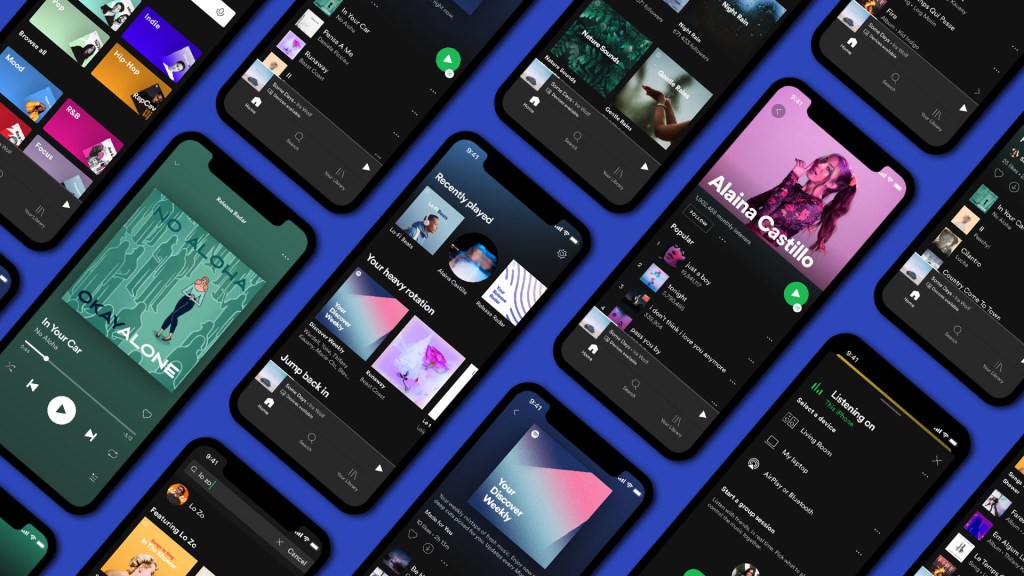
Streaming is broken. If you’re a small or independent musician, then Spotify isn’t going to give you a career any time soon. And that’s on purpose. That’s Spotify’s business model. That’s why Spotify are worth more than Paul McCartney, and he’s actually written some of the most enduring songs the world has ever seen, and Spotify can afford to give Barcelona FC hundreds of millions to sponsor them.
Looking at this is a fella called Lucian Grainge (he’s a sir, but we don’t recognise knighthoods around here) who is the CEO and chair of the Universal Music Group. Things, he reckons, have to change.
This week, he wrote to his staff, and said: “What’s become clear to us and to so many artists and songwriters—developing and established ones alike—is that the economic model for streaming needs to evolve. As technology advances and platforms evolve, it’s not surprising that there’s also a need for business model innovation to keep pace with change.”
“There is a growing disconnect between, on the one hand, the devotion to those artists whom fans value and seek to support and, on the other, the way subscription fees are paid by the platforms. Under the current model, the critical contributions of too many artists, as well as the engagement of too many fans, are undervalued.”
He’s thinking about the ‘pro-rata’ system that Spotify employ, which basically means that the majority of subscription and ad money generated goes into a pot, and that pot is then divvied out to labels and artists based on their share and volume of plays. That might seem fair if you don’t think about it for too long, but basically, Taylor Swift gets paid more for her streams than your favourite independent act does, and that seems terribly unfair. The rates are skewed in the favour of the megastars.
Of course, companies and middlemen look to exploit such a system, striking dodgy deals with all manner of people and push fans toward low-royalty deals in a bid to save money.
Grainge: “In order to entice consumers to subscribe, platforms naturally exploit the music of those artists who have large and passionate fan bases. But then, once those fans have subscribed, consumers are often guided by algorithms to generic music that lacks a meaningful artistic context, is less expensive for the platform to license or, in some cases, has been commissioned directly by the platform.”
“For example, just witness the thousands and thousands of 31-second track uploads of sound files whose sole purpose is to game the system and divert royalties. The result? A less fulfilling experience for the consumer, diminished compensation flowing to artists that are driving the business models of the platforms, and fewer cultural moments that fans can collectively share, all of which undermines the creativity and development of artists and their music that the platforms were, in part, designed to foster.”
“In the past, music industry conflict was often focused on ‘the majors versus the indies.’ Today, however, the real divide is between those committed to investing in artists and artist development versus those committed to gaming the system through quantity over quality.”
Ever noticed people releasing albums with 37 tracks on them? Gaming the system, lads.
“We need an updated model, not one that pits artists of one genre against artists of another or major label artists against indie or DIY artists. We need a model that supports all artists — DIY, indie and major. An innovative, ‘artist-centric’ model that values all subscribers and rewards the music they love. A model that will be a win for artists, fans, and labels alike, and, at the same time, also enhances the value proposition of the platforms themselves, accelerating subscriber growth, and better monetizing fandom.”
Monetizing fandom is a horrible phrase, but y’know, that’s the way it goes if you want to get paid as a musician. Is the Bandcamp model going to be looked at? Soundcloud? We’ll have to wait and see, but the fact is, while major streaming platforms are convenient, there’s a growing resentment toward them from creators across the board.
One to keep tabs on. And go and buy some merch, gig tickets, or a record if you’re a bit flush. Your local band needs you.
 The Pop Corporation
Leave a comment