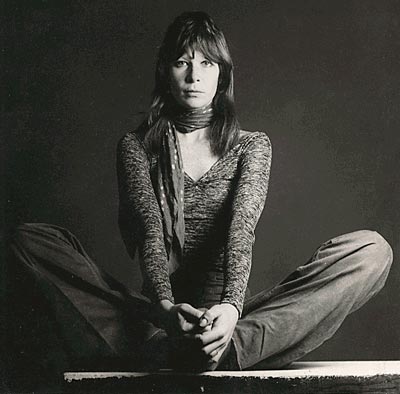
It’s absolutely true to say that Rita Lee is one of the most influential voices in Brazilian music history, as well as being a pioneer and revolutionary in South American rock & roll. Worldwide, shes one of the faces of psychedelic music, and after an illness, she is sadly no longer with us.
Rita died at her home in São Paulo after many trips in and out of hospital.
She left behind an incredible body of music and mischief, always outrageous and pushing the buttons of the conservative naysayers and apparent moral arbiters.
Of course, many will know her as the iconic voice of Brazilian wonder kids Os Mutantes alongside Sergio Dias and Arnaldo Batista. A band Kurt Cobain offered dizzying amounts of money to in the hope they’d reform to play at some Nirvana shows (they said no).
Catholic Brazil and authoritarian leaders despaired of Rita & Co, with songs like ‘Ave Lúcifer’ and the brilliantly petulant ‘É Proibido Proibir’ (“It is Forbidden to Forbid”).
The dictatorship of Brazil would accuse the band of un-Brazilian motives and the ‘Americanization’ of the Brazilian youth. With fellow Tropicálistas, the threat of imprisonment, torture and worse, Rita Lee carried on exactly as she wanted, before having to flee the country in exile in Paris.
Her story of defiance was met with more than just disgruntled tuts – the flamboyance and courage which she met authoritarians with needs to be celebrated and admired.
“I was not born to get married and wash underwear. I wanted the same freedom as the boys who used to play in the street,” she told the Rolling Stone. “When I got into music, I realized that the “machos” reigned absolute, even more in rock music. ‘Wow’, I said, ‘this is where I’m going to let my fangs out and, literally, give them a hard time.’”
Rita would leave Os Mutantes to go solo, winning awards and striking a blow against all bad characters and awful dicks. She embraced gay people in her videos, she was a prominent and outspoken feminist, she was a vocal animal rights activist, wrote children’s books, had a humorous radio show, a chat show, and lived enough to fill multiple lives.
She was dubbed Brazil’s Queen of Rock, and that’s how she’ll be remembered.
In Lee’s autobiography, she imagined her death. She wrote: “When I die, I can imagine the affectionate words from people who hated me. No politician will dare turn up at my funeral, as I never went to any of their events and I would rise from my coffin to boo them.”
Imagining her epitaph, she impishly wrote: “She was never a good example, but she was one of the good guys.”
Amen to that. Ave Rita!
 The Pop Corporation
Leave a comment