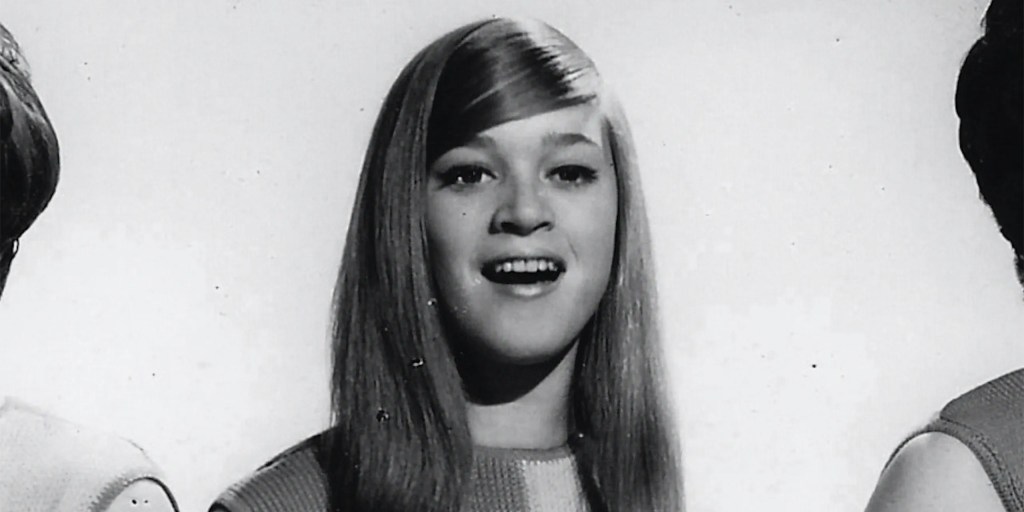
When it comes to music from the 1960s, there’s a wealth of artists that are mentioned, but not nearly enough, is praise for perhaps the greatest girl group of them all – the Shangri Las. Rebellious, street-tuff, but importantly, emotional and spoke of the realities of being young women.
The talk of the shock of releasing a ‘death record’ in Leader of the Pack – the super-hit which is as iconic today as it was when it was released – is well documented, and the melodrama of their ballads is loved feverishly by fans; but there’s so much more for those who have thrown themselves into the world of the Shangs.
We pay tribute to the passing of Mary Weiss, by looking at everything they achieved, their legend and their enduring popularity.
While many girl groups of the period dealt with loss, complicated relationships, love, bad boys, and teenage angst, the Shangri Las always felt the most direct and most real. From the debut single ‘Remember (Walking In The Sand)’, and anyone who has heard the pain in Weiss’ voice when she cries “oh, let me think, let me think, what can I do?” knows the pain of a broken young heart. But also, something quite startling compared to their peers was the use of sound effects – something we’d also see in ‘Leader Of The Pack’ – from crashing waves of a partner who went away across the sea, to crashing motorbikes and trains leaving town, the Shangri Las were making cinematic mini-dramas, cut to 45.
From New York, Weiss’ unpolished voice was absolutely part of the charm, allowing her personality to burst out of the grooves, dressed in boyish clothes that she’d tailored herself, and tales of being mean broads to men in the industry only further cemented the adoration of fans.
The utterly legendary “When I say I’m in love, you best believe I’m love: L-U-V!” to “his haaaaaht is out in the streets“, the group’s legend preceded them, with stories of the girls beating up promoters and running guns over state lines, the Shangs were not to be messed with. According to Weiss, their reputation helped thwart the advances from the male musicians they toured with.
For the punks, they were hard and real – for the pop fans, they were camp and coolly disinterested, for the soulies, they had the bruised ballads and dancefloor monsters – they were a perfect little band who could recreate the sound of someone’s world falling in on itself, as well as sounding like they were loitering outside a cafe, blowing bubbles with their gum and looking you up and down. Listening to a Shangri Las record, and Mary Weiss’ impassioned pleas could leave you feeling utterly winded.
Good bad, but not evil.
They were in good company. While a number of the Motown acts would flirt with street life, the Shangs were more akin to The Crystals ‘He’s a Rebel’, Little Eva’s ‘Keep Your Hands Off My Baby’, The Cookies ‘I Never Dreamed’ and ‘Only To Other People’. Not to say that Motown didn’t tackle the harder stuff, but the real drama lay away from the more wholesome pain of Berry Gordy’s carefully managed stable of artists. It’s hard to imagine Diana Ross singing;
I packed my clothes
And left home that night
Though she begged me to stay
I was sure I was right
And this is all because of what the Shangri Las were willing to stare down. A lot of ’60s pop was largely wholesome if rebellious, but Weiss and the Ganser twins spoke of innocence being lost before our eyes, teenage boredom, tragedy and death.
“I had enough pain in me at the time to pull off anything and get into it and sound believable,” Weiss would say in an interview. She added, later in life: “It was very difficult back then because I truly believe that a lot of men were considered ‘artists’ whether or not other people wrote for them. Women were considered products – I always found that difficult to accept.”
And that perfect nerve, that streetwise attitude, saw them in high company, touring with The Beatles, James Brown and the Stones. They saw in the Shangri Las something that everyone who loves the best of pop music saw as well – a ferocious honesty of the human condition. On the news of Weiss’ passing, Steve Van Zandt wrote: “RIP Mary Weiss. Lead singer of the legendary Shangri-Las. One of the essential Girl Groups of the ‘60s that empowered young girls to dream bigger at a time when society limited women to be secretaries. Their brilliant records with Shadow Morton defined aural cinema.”
Miriam Linna, of Norton Records, said in a statement: “Mary was an icon, a hero, a heroine, to both young men and women of my generation and of all generations.”
We’re all so much richer for the songs Weiss sang on, but just that little bit poorer now she’s departed.
 The Pop Corporation
Leave a comment